
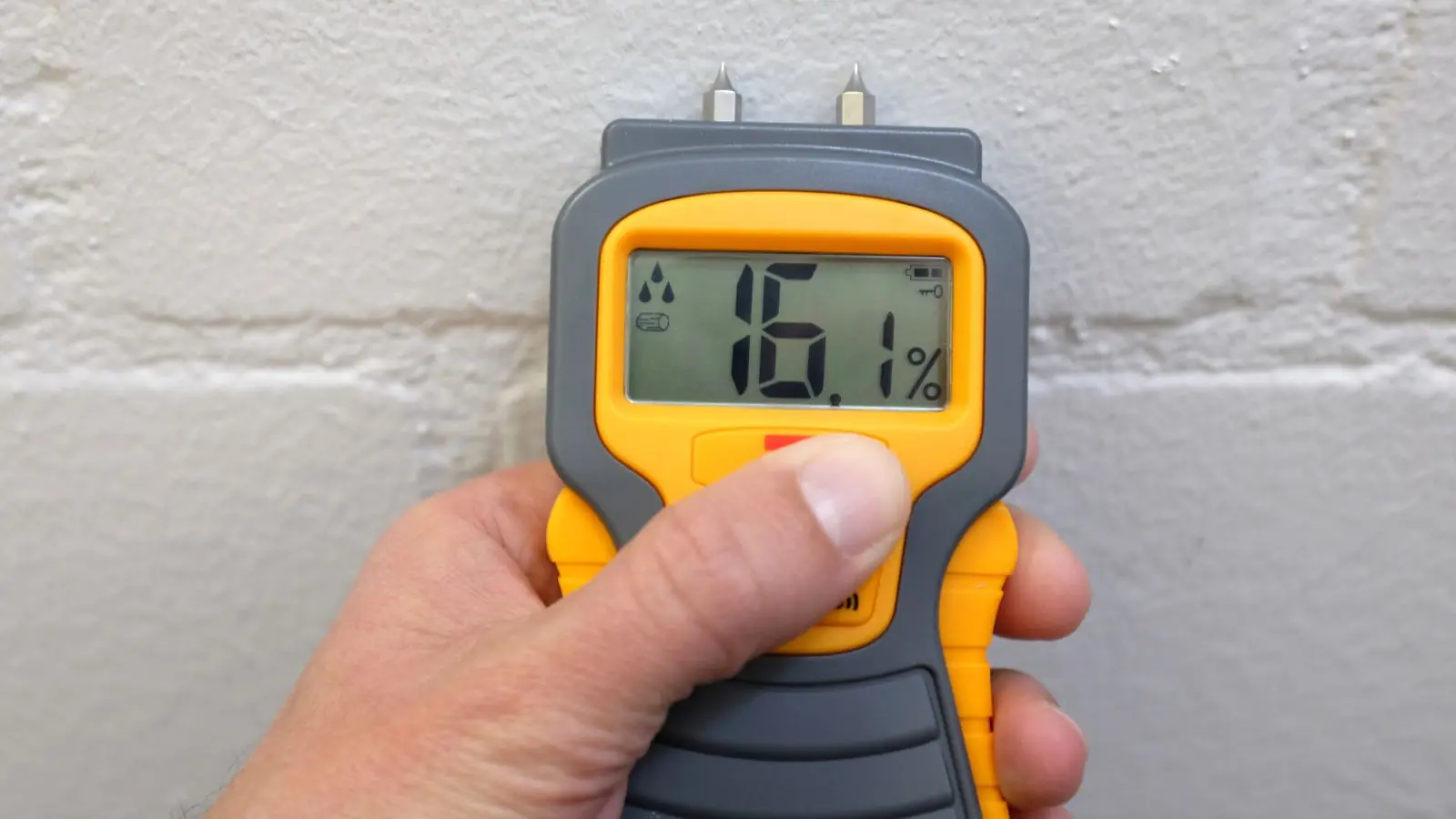
Structural drying and dehumidification in Yucaipa is the controlled removal of moisture from framing, subfloors, wall cavities and flooring after the standing water has been extracted. It is the stage that decides whether a wet building recovers or grows mold. The stage before it, water mitigation, is the first-day damage control. This page covers the equipment and the measuring that follow.
A surface that feels dry can still be wet inside. Water travels into wall cavities, under floor coverings and into framing, and it stays there until air movement and dehumidification pull it out. Call the dispatch line at any hour for advice on what to leave alone until the technicians arrive.
Safety steps while a structure is drying
Drying equipment draws power, and cords cross wet areas. A crew sets up circuits and cords so nothing lies in standing water, and you can help by leaving the equipment alone. Do not unplug a machine to run a hair dryer, and keep children and pets away from the fans and hoses.
- Keep standing water and cord connections apart. Call the crew if either moves.
- Do not turn equipment off to save power. A stopped machine means a longer job.
- If you see sparks, smell burning or find water at an outlet, shut the breaker if you can reach it dry, then call 911 or the power utility.
- Keep doors to drying rooms closed so the equipment can condition a defined space.
How drying works, in plain words
Drying has two halves. Air movers drive airflow across wet surfaces so moisture evaporates, and dehumidifiers capture that moisture from the air so it cannot resettle. Remove either half and the water simply relocates.
Yucaipa has a Mediterranean climate with mostly winter rain and hot, dry summers. Dry summer air helps drying, but a crew does not count on the weather. Readings decide, and equipment runs until the numbers say a material is dry. EPA moisture guidance puts the target at 24 to 48 hours for wet materials, so equipment goes in fast.
The equipment and what each piece does
| Equipment | Job | When it is used |
|---|---|---|
| Moisture meters | Read moisture in drywall, wood and subfloor | At assessment and every day after |
| Thermal imaging camera | Reveals cooler wet zones hidden under paint and flooring | At assessment and to trace spread |
| Axial air movers | Push air along floors and walls | Open rooms and floors |
| Centrifugal air movers | Push higher-pressure air into tight spaces | Wall cavities and under cabinets |
| LGR dehumidifiers | Pull moisture from the air at normal room temperature | Most water losses |
| Desiccant dehumidifiers | Dry air in cool or very damp conditions | Cold rooms, crawl spaces and large losses |
| Floor mat or injection drying systems | Pull moisture from hardwood and subfloors | Hardwood floors and layered floors |
Signs a structure is still wet
| Sign | Possible cause | Check |
|---|---|---|
| Floors that feel cool or damp | Moisture below the surface | Subfloor readings and thermal image |
| Baseboards or paint that bubble | Water behind the wall surface | Wall cavity moisture reading |
| A musty smell weeks after a leak | Material did not dry fully | Readings across suspect walls and floors |
| Cupping or crowning hardwood | Boards dried unevenly | Floor readings and drying system placement |
Under ANSI/IICRC S500, the published water damage standard, a drying job sets a goal. The crew takes readings in an unaffected area of the same material and uses them as the dry reference. Wet materials dry until they match that reference, and the equipment does not leave before then.
Walls or floors still damp?
Phone the dispatch number and tell us which walls or floors stay damp, and for how many days.
Our structural drying process
Map the moisture
A technician uses moisture meters and a thermal imaging camera to find every wet surface, including the ones you cannot see, and records the readings.
Set the equipment
Air movers, LGR or desiccant dehumidifiers and any floor or wall drying systems are placed to fit the room volume and the wet area.
Monitor daily
A technician returns to take new readings, moves equipment and adjusts the setup as the walls and floors dry.
Confirm dry and remove
Readings reach the dry reference, the crew documents them and the equipment comes out.
Hardwood floors are the slowest to dry and the easiest to damage by rushing. Boards that absorbed water may cup as they dry unevenly, and sanding or refinishing decisions come only after the moisture readings are normal. Wall cavities are dried by drilling small openings or removing baseboard, so air can reach the studs and insulation inside.
What changes the cost of structural drying
- The area and volume that need conditioning, which decide how many machines go in.
- The materials involved, since hardwood and dense framing dry slower than drywall.
- Days of equipment time, which depend on readings and not a fixed schedule.
- Whether wall cavities or floors need access openings.
- Rebuild scope once the readings are dry.
Want your real number? Call (909) 505-3870 and the price is stated before any machine is set.
Insurance and the drying phase
Insurers often ask for proof that the structure was dried properly after a sudden loss. The moisture readings, photos and equipment logs from a drying job make that conversation simpler. A leak that ran for months is gradual and may not be covered, and flood usually needs a separate flood policy. Check your policy or ask your insurer, and keep every record the crew gives you.
Mistakes to avoid while drying
- Judging dryness by touch instead of by a meter.
- Closing walls with new drywall before the studs and insulation read dry.
- Turning equipment off at night because of the noise.
- Putting new flooring over a subfloor that has not been measured.
Permit questions for the rebuild go to Yucaipa's Community Development staff. For a wet hardwood or layered floor, water damage repair covers the rebuild after drying. For a wet wall in particular, wall and drywall water damage repair goes further. Homes in Redlands and Beaumont reach the same crews through one line.
Structural Drying Questions
Yes. The dispatch phone is staffed at all hours. Drying equipment is placed when a crew can get there, no arrival time is promised, and the coordinator explains any delay.
It depends on the materials, the area and the readings. Drywall dries sooner than hardwood or framing, and the equipment stays until readings match the dry reference.
Moisture in framing and floors leaves slowly. Stopping the equipment early leaves water in the structure, which can bring back damage and mold.
No. Our technicians place, monitor and remove the equipment as part of the job, because placement and readings matter more than the machines.
Mitigation covers the opening day or three of damage control. Structural drying is the equipment-and-readings phase that comes after, lasting until measurements read dry.
Still have a question?
Call the 24/7 emergency line and ask. Scope and price are explained before work starts.