
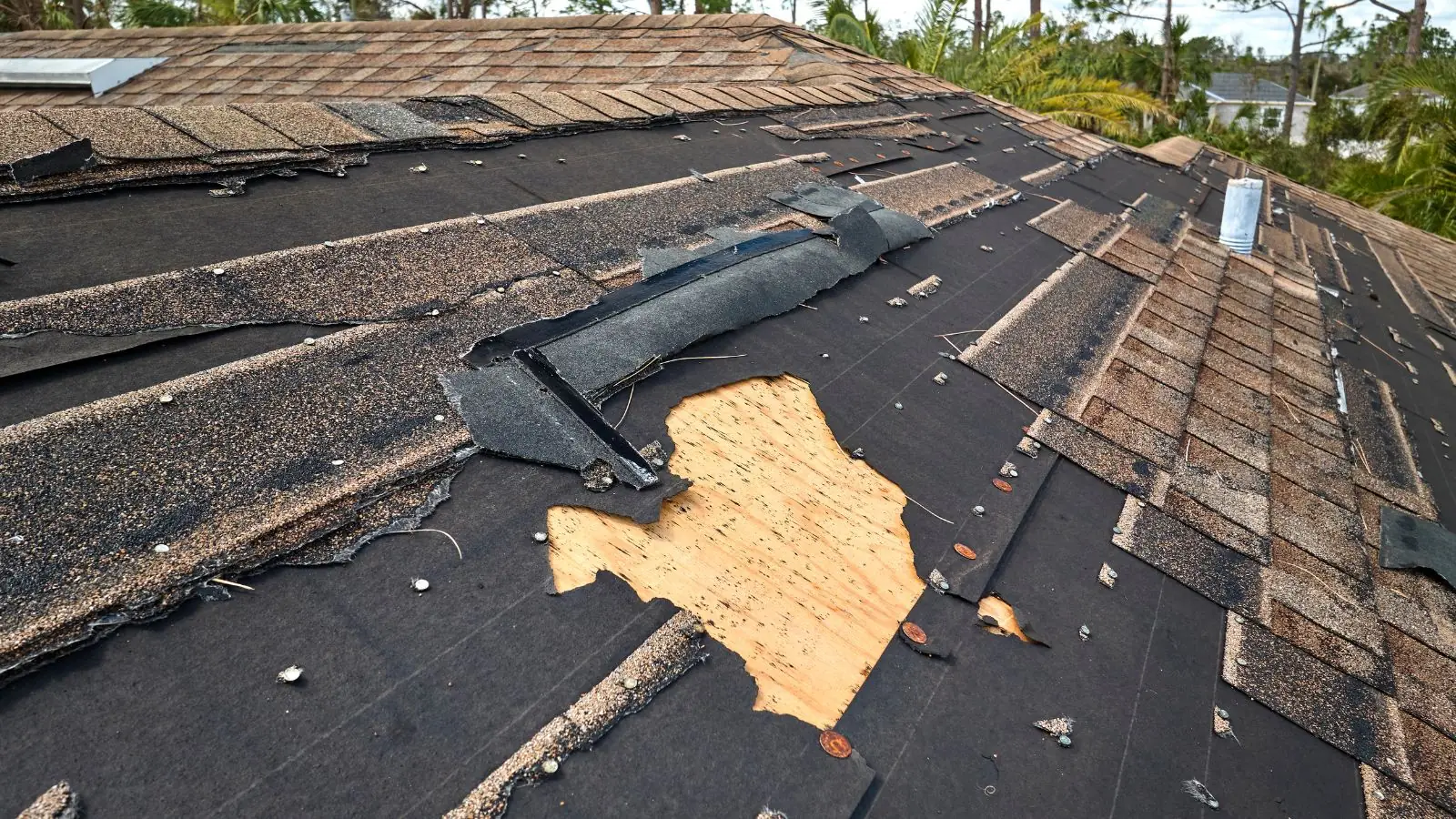
When a storm pushes water into a house, the first hours decide how much of the structure stays dry. The 24/7 dispatch line is open during and after storms. A coordinator will ask where the water came in and tell you how to hold it back while a crew is lined up.
Storm water damage cleanup covers rain that entered through the roof, windows, doors or garage, runoff that reached a threshold and overflow from clogged drainage. Mud, sewage and rising groundwater are handled as contaminated floodwater under flood damage restoration. A crew heads out the same day when the schedule allows.
How storms get water into Yucaipa homes
Yucaipa sits at about 2,600 feet, and its Mediterranean climate delivers most of the year's rain in the winter months. Months of dry weather can loosen flashing, dry out window seals and fill gutters with debris, so the first strong storm often finds every weakness at once.
Wind-driven rain pushes sideways through gaps that stay dry in an ordinary shower. Water runs down a wall, collects at a threshold or soaks attic insulation before the ceiling shows a stain. After the storm, walk the house, the garage and the attic hatch with a flashlight and note every damp spot.
When storm water is more than a leak
After Tropical Storm Kay in 2022, CBS Los Angeles reported evacuations in parts of Oak Glen as flash floods and large mudflows came off slopes scorched in 2020 when the Apple and El Dorado fires passed through. The takeaway is that burn-scar slopes shed mud and water quickly, so debris can reach homes below even when the rain looks modest.
If water carries mud, sand or debris, treat it as contaminated and keep people and pets out. That is no longer an ordinary rain intrusion. Look up your address on the FEMA flood map to see where you stand, and call us so the crew arrives with the right protective gear.
| Entry point | What you see | What to do first |
|---|---|---|
| Roof or flashing | Ceiling stain or drip | Catch the water, protect the room, see roof leak water damage |
| Window or door seal | Wet sill or floor edge | Towels and plastic, then call |
| Garage door threshold | Water across the slab | Move belongings off the floor |
| Clogged gutter or downspout | Water down an exterior wall | Clear the drain once the storm passes |
| Runoff at a doorway | Muddy water on the floor | Keep out, call, treat it as contaminated |
Storm safety in the first hour
- Stay out of moving water outside and never drive through a flooded road.
- A downed power line means staying well back and phoning 911 or the electric utility.
- Water at outlets or the panel means getting out and dialing 911 or the electric utility, with us second.
- Turn off the breaker for a wet room only from dry footing.
- Keep children and pets out of any water that is muddy or carries debris.
- Photograph the damage before cleanup begins.
How we clean up storm water damage
A technician checks for safety hazards, confirms the water has stopped entering and then maps the wet areas with moisture meter readings and a thermal imaging camera scan. Extraction comes first. Submersible pumps remove deeper water, and truck-mounted or portable extractors pull water from carpet and hard floors.
Stop the entry
We advise on tarping, sandbag placement and temporary protection until a contractor handles permanent repairs.
Extract
Pumps, extraction units and wet vacuums remove water, starting where it is deepest.
Dry
Axial and centrifugal air movers and LGR dehumidifiers dry floors and wall cavities, with readings taken daily.
Clean and document
Affected surfaces are cleaned, and the written scope records readings and photos for your insurer.
Drying is covered in more detail under water mitigation. If the storm dropped a tree on the house or tore off roofing, a contractor repairs the structure, and we dry what the rain reached.
Storm water on the floor?
Tell the dispatcher where the rain got in and we will walk you through holding it back until a crew arrives.
What changes the cost
- The water's source and contamination level, since muddy water needs more removal.
- The area and depth of water on floors.
- Whether insulation, carpet pad or drywall must be removed.
- Days of drying equipment on site.
- Rebuild work after drying, handled as its own stage.
Want your real number? Call (909) 505-3870. Scope and price are laid out before work begins.
Insurance and storm water
Rain that enters through a storm-damaged roof or window often counts as sudden and accidental damage. Surface flooding, runoff and rising groundwater are generally treated as flood, which usually needs a separate flood policy. The line between the two can be unclear, so go through your policy and ask your insurer before filing, and do not assume approval.
Local notes for Yucaipa homeowners
San Timoteo Creek flooded about two-thirds of Loma Linda in 1969 and flooded again in 2010, according to city and county records. That history is a reminder that creeks near Loma Linda and elsewhere in the region can overflow after heavy rain. For a permit question on structural repairs in Yucaipa, the City of Yucaipa Community Development department has the answer. In Mentone, the county handles permits.
Mistakes to avoid and prevention
- Clearing gutters and downspouts only after the first storm. Do it before the wet season.
- Leaving wet attic insulation alone since the ceiling seems fine.
- Walking through standing water with the power on.
- Discarding wet belongings before taking pictures of them.
- Assuming rain damage is minor without moisture readings.
The EPA's 24 to 48 hour drying window and the ANSI/IICRC S500 standard back the same plan: act fast and measure. After drying, water damage repair rebuilds what was removed.
Storm Water Damage Questions
Including while the rain is still falling. We talk you through holding the water back and get a crew out as schedules allow, telling you honestly if you have to wait.
Rain that comes through a roof or window is storm water damage. Muddy runoff, sewage and rising water are floodwater, which carries contamination and follows stricter safety rules.
We advise on temporary protection but do not repair roofs. A roofer or contractor handles the structure, and we dry what the rain reached.
Sudden wind and rain damage is often covered. Flood usually is not unless you have separate flood coverage. Check your policy or ask your insurer.
Quickly. Wet drywall and carpet pad begin absorbing almost at once, and the EPA's drying window is 24 to 48 hours.
Still have a question?
Call the 24/7 emergency line and ask. Scope and price are explained before work starts.