
What we can and cannot do for a commercial space
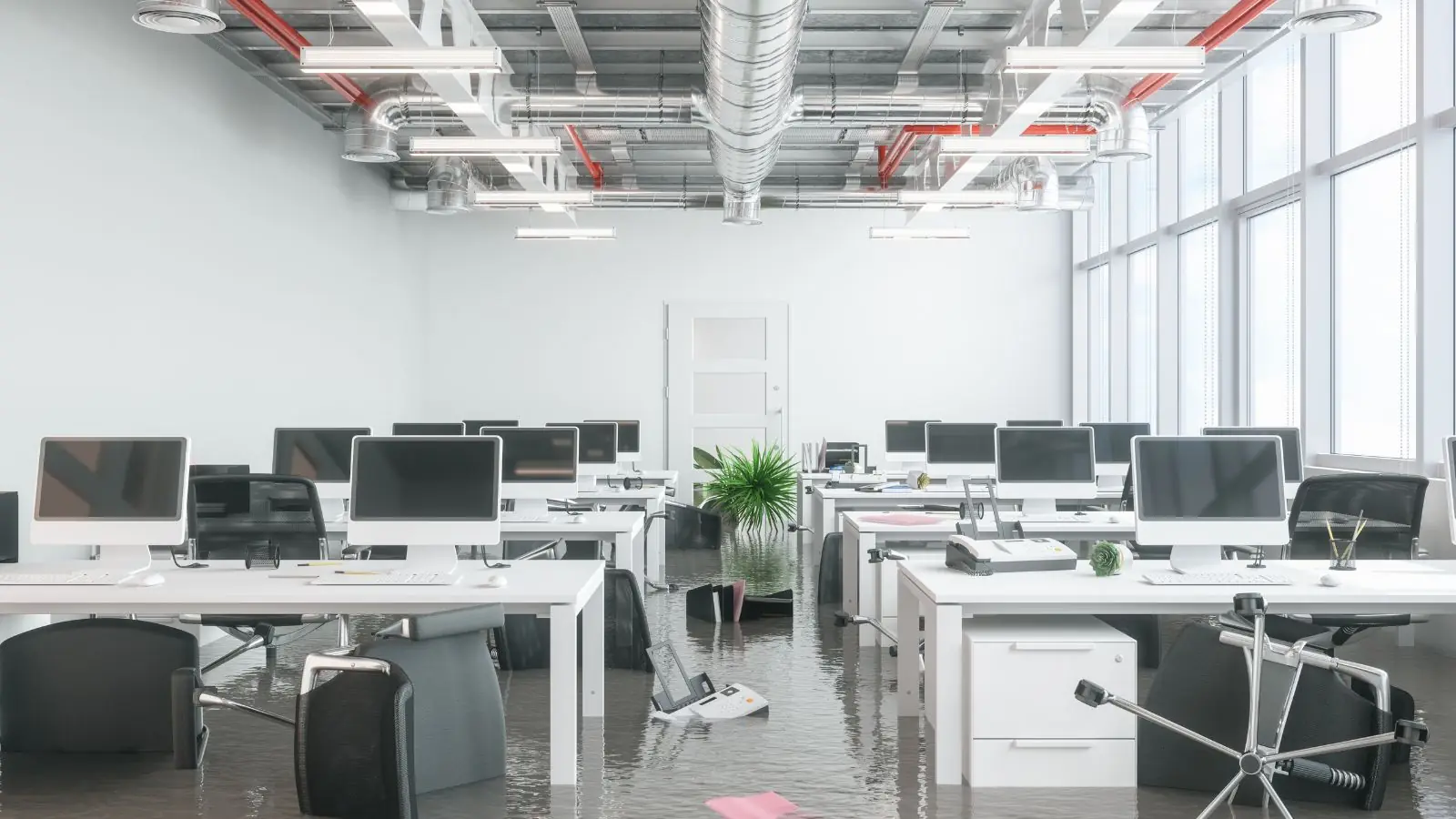
Commercial water damage restoration here means the same work as a home, applied to small commercial spaces such as storefronts and offices. We extract standing water, map moisture, dry the structure and document what we found. We do not claim industry specialties, and we say plainly when a job looks larger than our crew can take on.
Yucaipa has roughly 54,000 residents per the 2020 Census, and its commercial life runs along Yucaipa Boulevard and the Uptown core near Yucaipa Performing Arts Center at Acacia Avenue and California Street. Most of those buildings are small. If you are not sure whether your space is a fit, call and describe it, because the question is quick to answer.
Honest limits matter. We do not promise a response time, and we do not claim to handle large multi-tenant buildings, specialty equipment or regulated environments. What we can do is bring extraction and drying equipment, take readings and give you written notes, so you can talk to the property owner and insurer with facts.
Common causes in small commercial spaces
| Cause | What it looks like | First thing to check |
|---|---|---|
| Supply line or fixture failure | Water under a restroom or break room floor | Is the main valve or fixture valve closed? |
| Water heater or appliance leak | Pooling near a utility closet or kitchenette | Is the power or gas off to the unit? |
| Roof or ceiling leak | Stained ceiling tiles, water dripping onto desks | Is anything electrical under the leak? |
| Drain backup | Gray or dark water at a floor drain | Is the water contaminated? Stay out until a crew arrives. |
| Storm runoff at a doorway | Water crossing the threshold | Where is it entering and where is it going? |
Safety for people and the space
People come first. Get staff and customers out of any area with standing water near outlets, panels or equipment. Shut the main water valve or the fixture valve, and leave the building's electrical shutoffs to whoever can get to them without stepping through water.
Water at the electrical panel is a job for 911 or the electric utility, ahead of any call to us. A gas smell means everyone walks outside and the gas company or 911 gets the call from there. For drain backups, keep everyone out of the area, because sewage water is treated as contaminated.
Take photos and video of the damage before anything is moved. Write down what was wet, including stock, files and equipment. Your landlord or property manager may need to be called as well, depending on your lease, so make that call early.
How the work goes
Assess
A technician checks the source, the safety of the space and the extent of the water, and logs readings with a moisture meter, plus a thermal camera sweep.
Extract
Submersible pumps and extraction units remove standing water from floors, carpet and low areas.
Dry
Air movers and dehumidifiers go in, and readings are logged each visit until the structure reaches its dry goal.
Document
Photos, readings and an equipment log are kept so the building owner or manager has a record to show an insurer.
Commercial finishes vary, from carpet tile to sealed concrete to suspended ceilings. Each dries differently, so the plan changes with the floor and the ceiling. Wet insulation and ceiling tile are usually removed, and a dry floor is checked before anyone moves stock back.
Water on the floor of your shop or office?
Tell the coordinator about the space, the flooring and what is wet, and the first steps get lined up for you.
Owner, tenant and who calls whom
Responsibility for a commercial water loss depends on the lease and the policy. The building owner often insures the structure, while a tenant insures contents and improvements. We cannot tell you which applies to you, so ask the property owner and your insurer before deciding who authorizes the work.
Jurisdiction depends on location. Yucaipa buildings fall under the city's Community Development office, a Redlands storefront starts at the One Stop Permit Center, and unincorporated areas such as Mentone fall under San Bernardino County. Ask the right office whether repairs need a permit.
The first stage is usually emergency water removal, followed by structural drying to bring walls and floors to their dry goals. For storefronts in Beaumont, the same sequence applies.
What changes the cost of commercial water damage
- Square footage and the number of rooms affected.
- Water category, since contaminated water needs extra protective steps.
- Floor and ceiling materials, which decide what is dried and what is removed.
- Drying days and equipment kept running.
- Access and timing, including after-hours work.
Want your real number? Call (909) 505-3870 and describe the space. The plan and the price are spelled out first, before anything is plugged in.
Insurance fit for businesses
Commercial property policies often cover sudden and accidental water losses to the structure and contents, while gradual leaks and maintenance issues are often excluded. Outside floodwater is usually carved out and handled under a standalone flood policy. Business interruption coverage, if you have it, is a separate question for your insurer. Check the lease and the policy wording before assuming anything.
The published ANSI/IICRC S500 water damage standard is the reference for how water category and drying goals are set, and the readings we log can be compared against it when an owner talks with an insurer.
Our written scope lists moisture readings, equipment and dates, which makes the documentation conversation simpler. EPA moisture guidance puts the drying window at roughly two days, so photographs and a quick call matter more than a polished report.
Mistakes to avoid
- Moving stock or files back before the floor is confirmed dry.
- Leaving wet ceiling tile in place, which stays wet and can fall.
- Waiting for the landlord before closing the water valve.
- Using building fans without a plan, since moving air does not extract moisture on its own.
- Throwing away damaged items before your insurer says it is fine.
Commercial Water Damage Questions
Yes, for small commercial spaces such as storefronts and offices. The dispatch line has a coordinator on it at any hour, and the next open crew heads out from there. Larger jobs get an honest conversation on that first call, and no arrival time is promised.
We work on small commercial spaces and describe the space, not an industry. Call, tell us the size, the flooring and what is wet, and we will say whether it fits what our crew can take on.
Close the valve and call the dispatch line to start protecting the space, then tell your landlord or property manager right away. Who authorizes the work depends on your lease and policy.
Yes. Photos, moisture readings and an equipment log are part of the job, so the owner or manager has a record. We do not negotiate with insurers or promise approval.
The dispatch line runs 24/7, and crews can work outside normal hours when needed. Timing depends on crew availability, so ask about the schedule when you call.
Still have a question?
Call the 24/7 emergency line and ask. Scope and price are explained before work starts.