
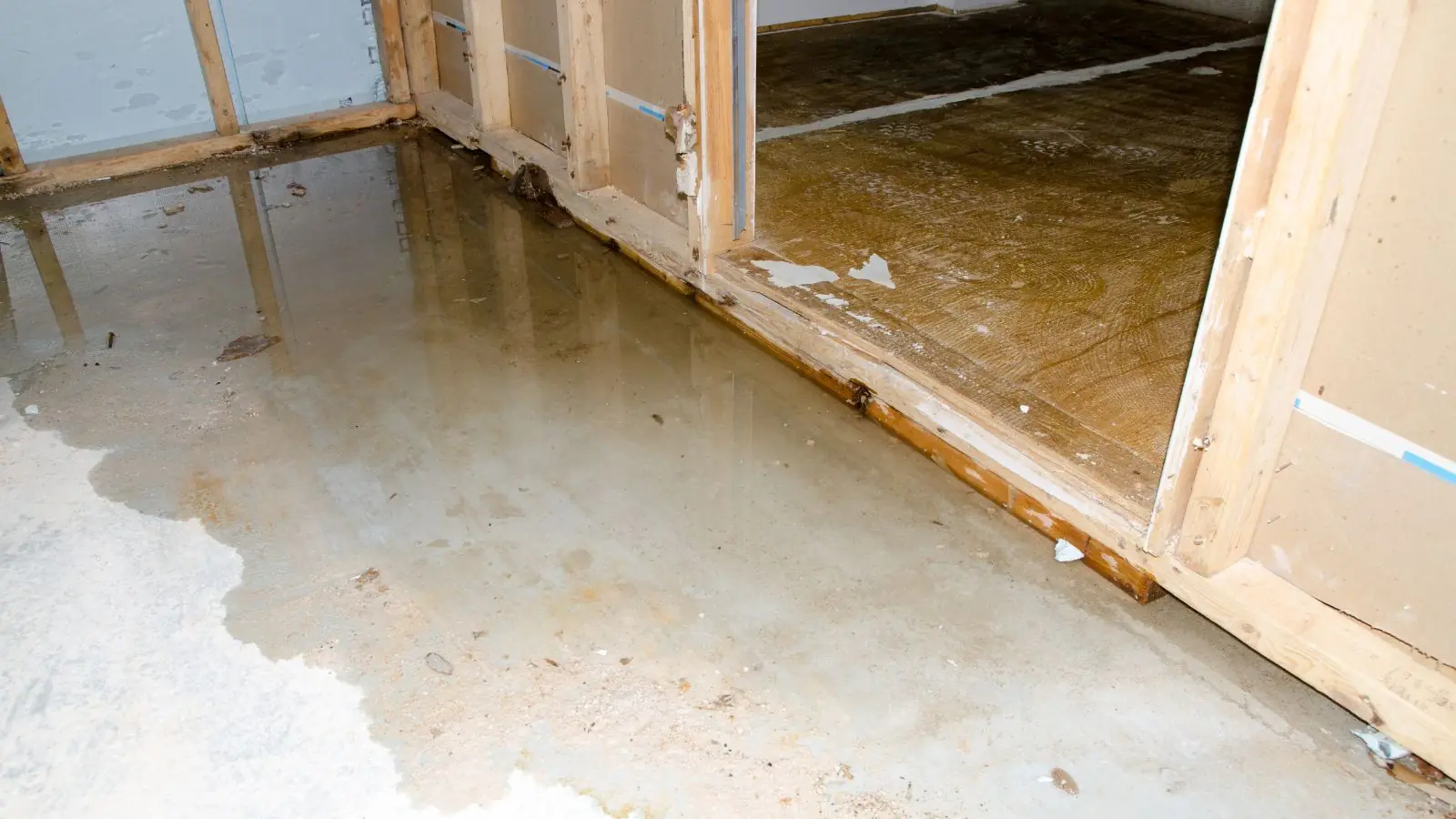
Basement water damage cleanup in Yucaipa covers any room that sits below the surrounding ground, including a full basement, a walkout lower level, a sunken room and a partly buried garage. Full basements are less common in Southern California than in colder regions, and we cannot put a number on how many Yucaipa homes have one. The ones that do see water in the same few ways, and the cleanup follows a clear order.
Water in a low room is heavier work than water on a main floor. It sits, it has nowhere to drain, and it often reaches finished walls, stored belongings and a furnace or water heater. If water is on the floor now, stop the source if you can, stay out of any depth that touches outlets and call.
Safety first in a wet lower level
Electrical safety is the first concern in a basement because outlets, a panel and a sump or utility pump are often at floor height. If water covers any outlet or the panel sits in the room, ring 911 or the power company before you step in. A water heater or furnace that has been in water is not safe to restart. Call a licensed technician to check it first.
- Turn off the main water if a pipe or tank is the source.
- Do not walk through water that reaches outlets, cords or the electrical panel.
- A gas odor means leaving at once and phoning 911 or the gas company.
- Carry valuables upstairs only if the stairs and floor are dry and clear.
- Dark water, a sewage smell or water that rose through a floor drain is contaminated, so go to sewage backup cleanup.
How lower levels take on water around Yucaipa
In 2022, news coverage of Tropical Storm Kay described flash flooding and mudflows near the burn scars in Oak Glen, with evacuations ordered for parts of that area. The lesson for any low room is plain. Burn-scar slopes shed water and mud fast, so runoff can reach doors, window wells and drain openings even when the rain looks modest.
The other common paths are inside the house. A water heater tank or supply line fails in a utility room, a washing machine hose lets go in a laundry room below grade, or a floor drain backs up. Each one needs a different fix, and the cleanup begins the same way: stop the water, get it out and dry what it touched.
Mentone sits north of Yucaipa and falls under San Bernardino County, not a city, so permit questions for repair there go to the county. In Mentone and other towns, ask the local building department before you rebuild. In Yucaipa itself, the City's Community Development department answers whether a repair needs a permit.
Reading the water in a low room
| Sign | Usual meaning | Response |
|---|---|---|
| Standing water on the floor | Active entry, from a pipe, runoff or a drain | Find the source, shut off water, call |
| White chalky residue on concrete or block walls | Moisture moving through the wall over time | Have readings taken and fix the water path first |
| Wet drywall bottom edge or bubbling paint | Water wicked up the wall from the floor | Call before the drywall stays wet another day |
| Musty smell, no visible water | Damp carpet, pad or insulation | Lift a corner of carpet if it is safe, then call |
| Floor drain bubbling or slow | A drain backup starting | Stop water use and see the sewage page |
How we clean up and dry a basement
Extract
Submersible pumps handle depth, and truck-mounted or portable extraction units pull water out of carpet and from the concrete surface.
Remove what will not dry
Wet carpet pad, baseboard and the bottom of soaked drywall come out. Wet insulation is removed and bagged.
Dry
Air movers, LGR dehumidifiers and, in cool or damp rooms, desiccant dehumidifiers run for days. Concrete holds water longer than most materials.
Verify
Moisture meters and a thermal imaging camera confirm that walls and floor have reached dry readings before the equipment leaves.
Restoration does not waterproof anything, and callers hear that early. If water keeps coming in through a foundation wall or a floor crack, a waterproofing or drainage specialist solves that, and we dry and clean what the water has already touched.
Water in your lower level?
The 24/7 line is open. Call and tell us how deep it is and where it is coming from.
What changes the cost of basement cleanup
- The depth and area of the water, which set the pumping and extraction time.
- Whether the water is clean, gray or contaminated, because protective gear and removal change.
- Finished walls, carpet and stored belongings that need removal or handling.
- How long concrete and block need to dry, which sets the equipment days.
- Rebuild scope, such as drywall, flooring and paint.
Want your real number? Call (909) 505-3870 and the price is explained in writing before pumps run.
Insurance and basement water
Insurance sorts basement water by where it came from. A burst pipe or failed water heater is sudden and accidental, and that is often covered. Rain or runoff entering from outside counts as flood, a risk normally insured on its own policy. A drain backup depends on whether your policy has an endorsement for it. Check your policy or ask your insurer before deciding what to claim, and photograph everything before cleanup starts.
ANSI/IICRC S500 sorts water into Categories 1 to 3 by contamination, and a lower level that took in runoff or drain water usually lands above Category 1, so porous materials are judged on that basis.
Mistakes to avoid in a wet basement
- Pumping the water out too fast from a flooded lower level next to a saturated foundation, which can stress the walls. Ask a professional about timing.
- Running a household fan and calling the room dry when the walls are still wet inside.
- Restarting a furnace or water heater that sat in water.
- Storing belongings on the floor again before the room has dried.
For water that came from outside in a storm, see flood damage restoration. For the drying phase in detail, structural drying and dehumidification explains the equipment and the readings. Homes in Calimesa reach the same dispatch line.
Basement Water Damage Questions
Yes, and that covers overnight hours and holidays. A crew is dispatched when the schedule allows. No arrival time is promised, and delays are spelled out on the call.
Full basements are less common here than in colder regions, and we cannot say how many local homes have one. Lower levels, sunken rooms and walkout areas do exist, and this page covers them.
No. Restoration repairs damage after water has entered. If water keeps coming through a wall or floor, a waterproofing or drainage specialist is the right call.
Longer than wood or drywall. Concrete holds moisture, and a crew relies on moisture meter readings, not the surface look, to decide when it is ready.
Treat it as contaminated and stay out. See the sewage backup page for the protective steps and the removal of porous materials.
Still have a question?
Call the 24/7 emergency line and ask. Scope and price are explained before work starts.